Booking choice: The Gqeberha day tour, from $219 per person. Check dates Tour details
Every Monkeyland visit is a guided walk, which the sanctuary calls the monkey safari. You cannot wander in alone. A guide takes a small group along forest paths for about an hour, finds as many species as the day allows, and leaves time for photos and questions. Nothing sits behind glass: the primates are loose in 12 hectares of indigenous forest, and they come and go as they please.
What follows comes from the Monkeyland FAQ, the species pages and the 2026 quick info sheet, with tips from guests on the tours that stop here.
The quick answer
The walk takes 45 minutes to an hour and leaves every 15 to 20 minutes from 8am to 5pm. You will likely see lemurs, squirrel monkeys, capuchins and howlers, and cross a 128-metre rope bridge. No touching, no feeding, no food on the walk. Wear flat shoes with grip; it runs in the rain.
What is the Monkeyland guided walk?
An hour-long walk with a trained safari guide through Monkeyland's forest, included in the R440 ticket. Every visitor goes with a guide.
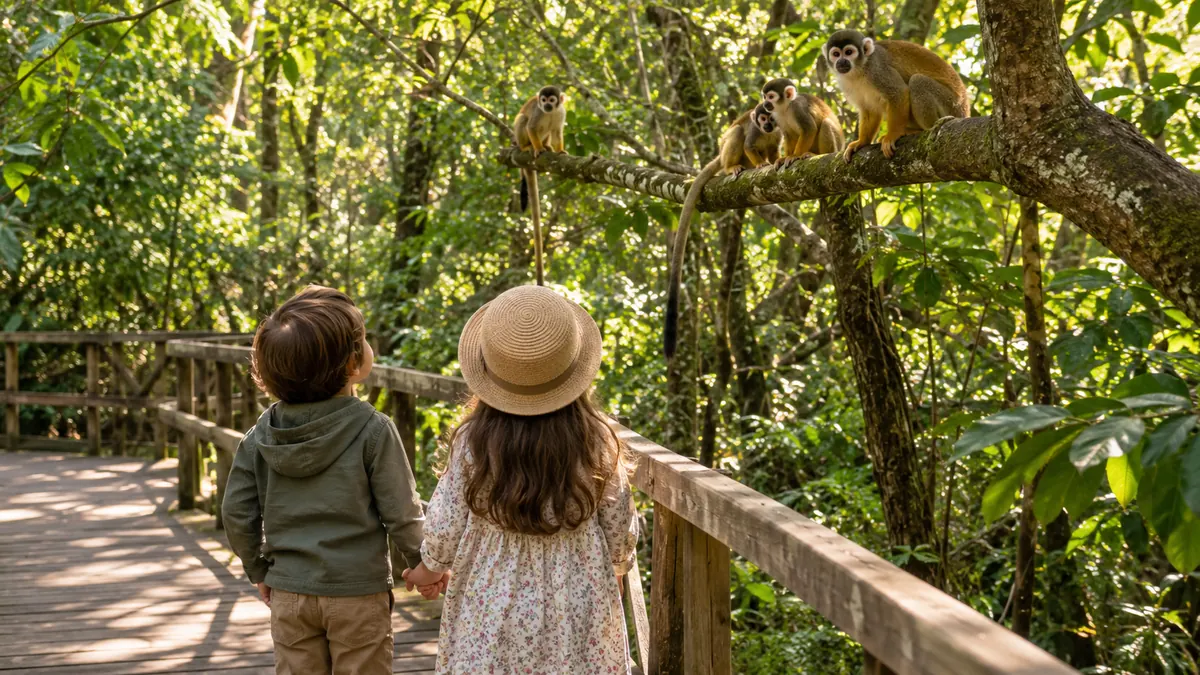
The idea is simple. More than 550 primates live free in the forest, and they don't line up for visitors. The guide knows each troop's habits, reads the canopy and steers the group to where the animals are. The quick info sheet says guides try to find as many of the species as possible and give you ample time for photos and questions.
Expect stories as much as sightings: where a capuchin came from, why the gibbons call in the morning, which lemur runs the troop. Ask questions. The guides clearly enjoy them.
How long is the Monkeyland tour, and how often do walks leave?
About an hour; the rates page says 45 minutes to an hour. Groups leave every 15 to 20 minutes from 8am to 5pm, every day of the year.
You never book a slot. Pay at reception, take a seat, and your group goes when the guide is ready. Allow up to 20 minutes for the wait, plus time at the café, so budget an hour and a half in total. On a day tour, the hour at Monkeyland is the walk itself and little else.
Our tip: take the first walk at 8am. The air is cool, the animals are busy, and the groups are smallest before the tour minibuses arrive.
An hour on the walk, an hour at Birds of Eden, Tsitsikamma on the way: one day from Gqeberha, tickets included.
Check dates for the Gqeberha day tourWhat animals will you see at Monkeyland?
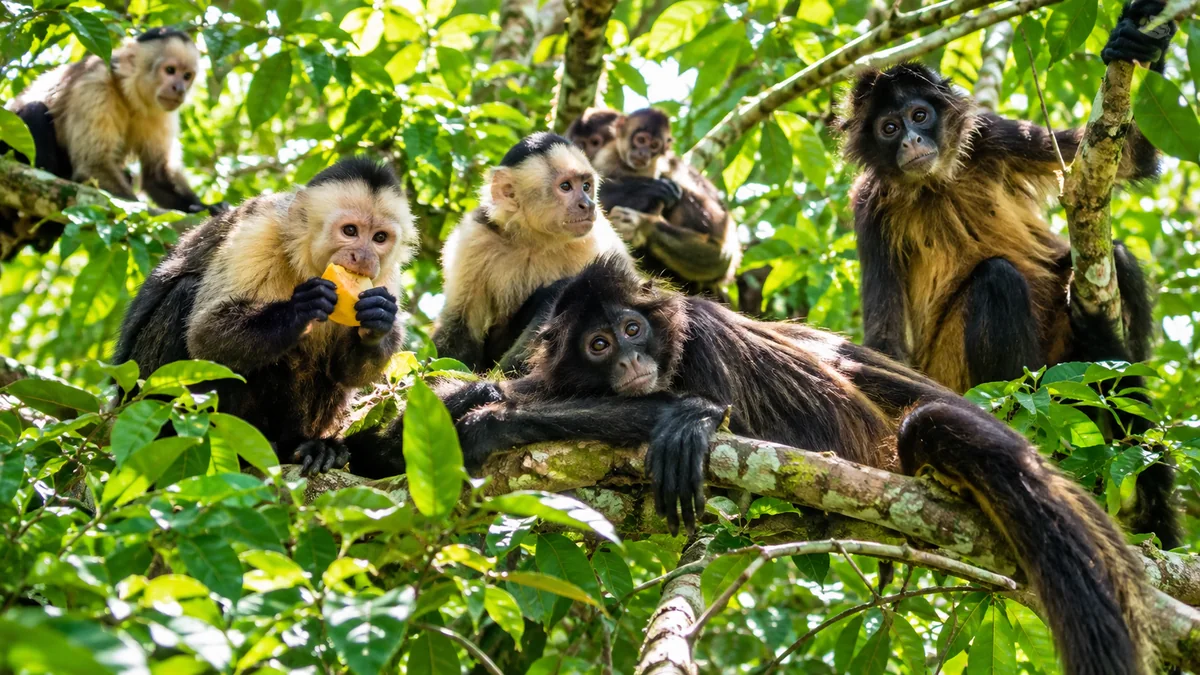
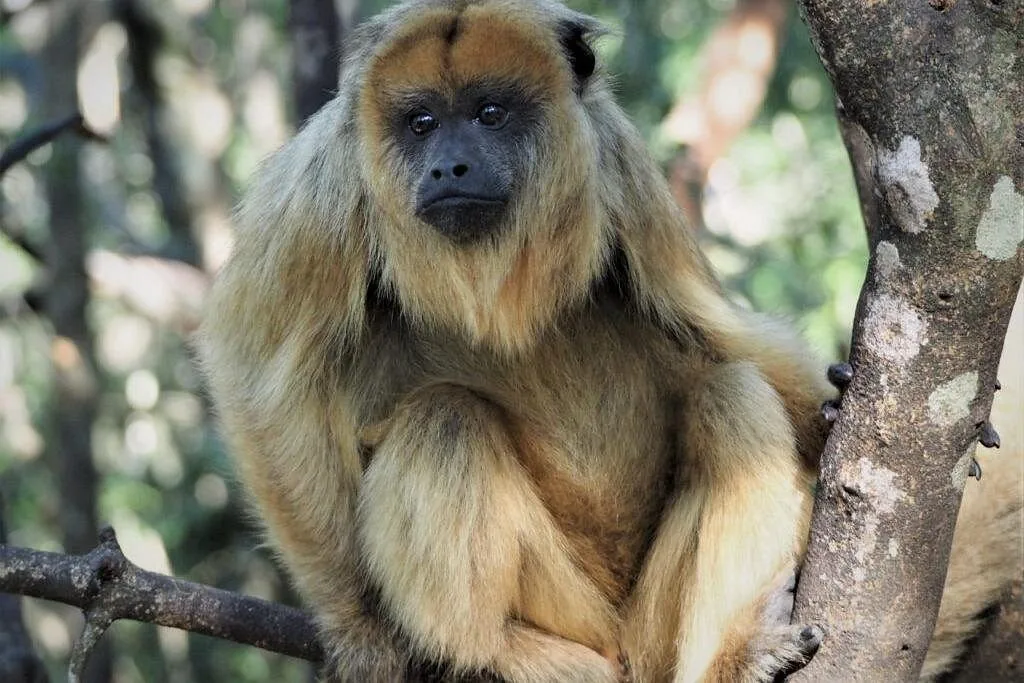
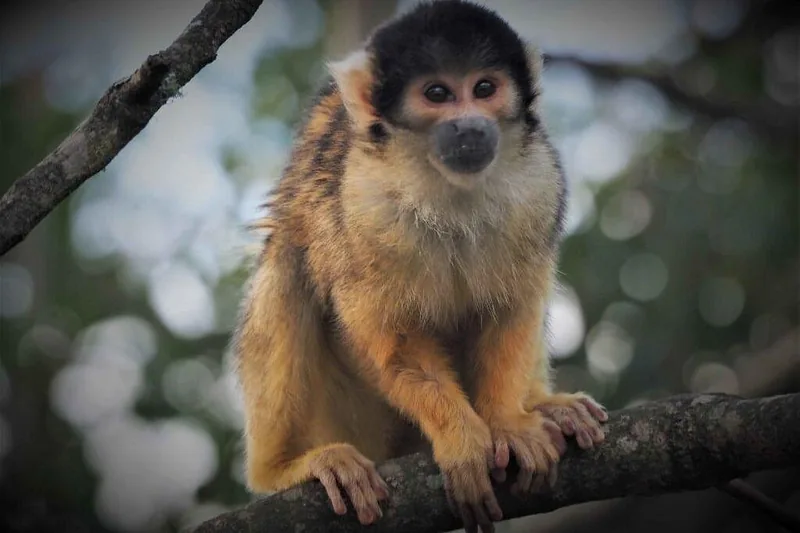
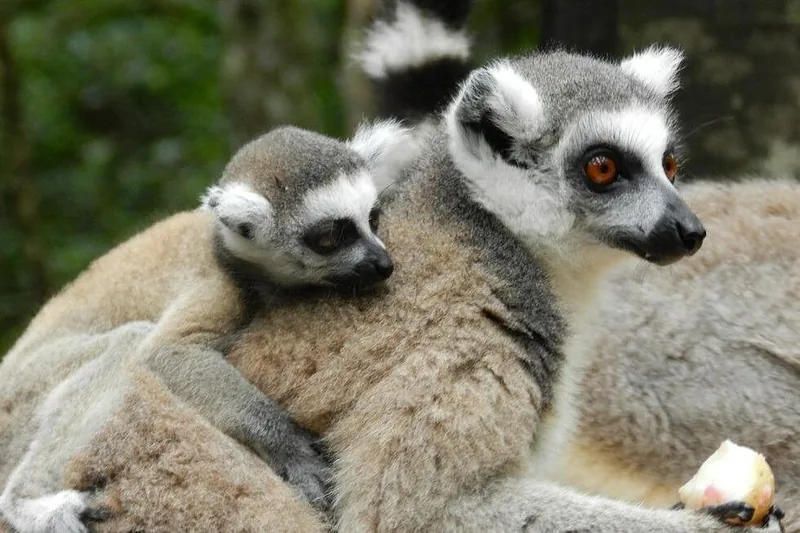
Some of about ten species, depending on the day: lemurs, squirrel monkeys, capuchins, howlers, spider monkeys, sakis, langurs, gibbons and vervets.
The species pages list ten:
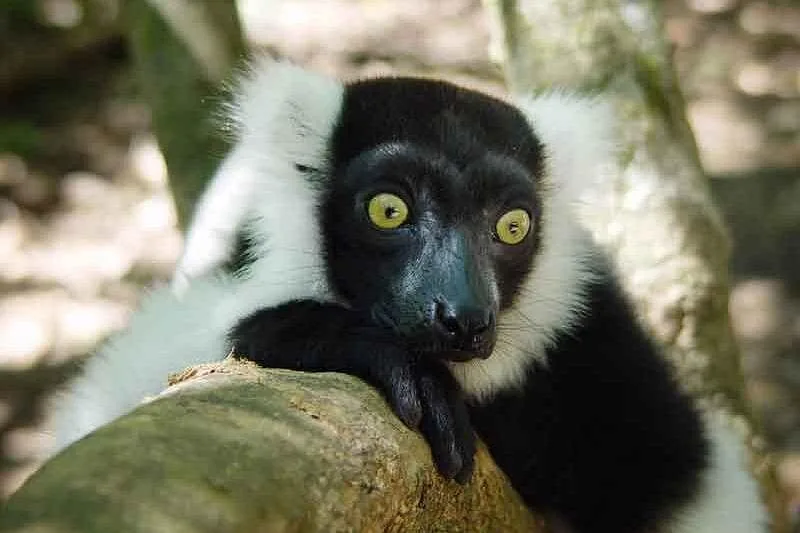
- From Madagascar: black-and-white ruffed lemurs and ring-tailed lemurs.
- From Central and South America: Bolivian squirrel monkeys, brown capuchins, red-backed bearded sakis, black howler monkeys and Geoffroy's spider monkeys.
- From Asia: Hanuman langurs and white-handed gibbons.
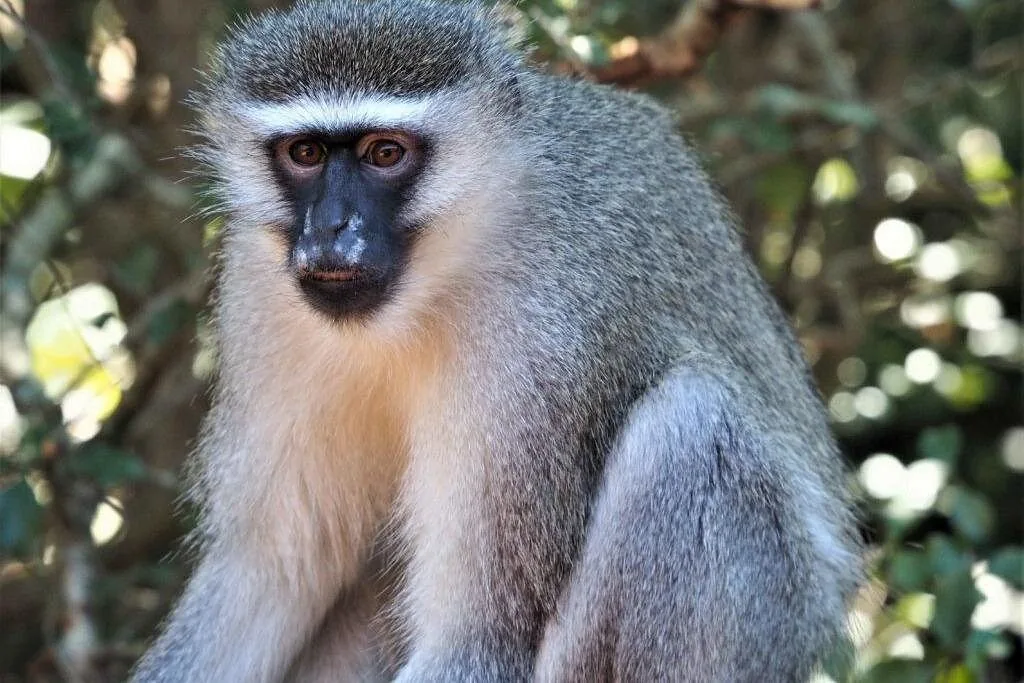
- From South Africa: vervet monkeys, the only local species.
Most came from zoos, circuses and the illegal pet trade. Nobody can promise every species on every walk; this is a forest, not an enclosure. Lemurs and squirrel monkeys are the most reliable. Guests on the Gqeberha tour mention "so many beautiful birds and lemurs". Why these animals live here is covered in is Monkeyland ethical.
What is the rope bridge at Monkeyland like?
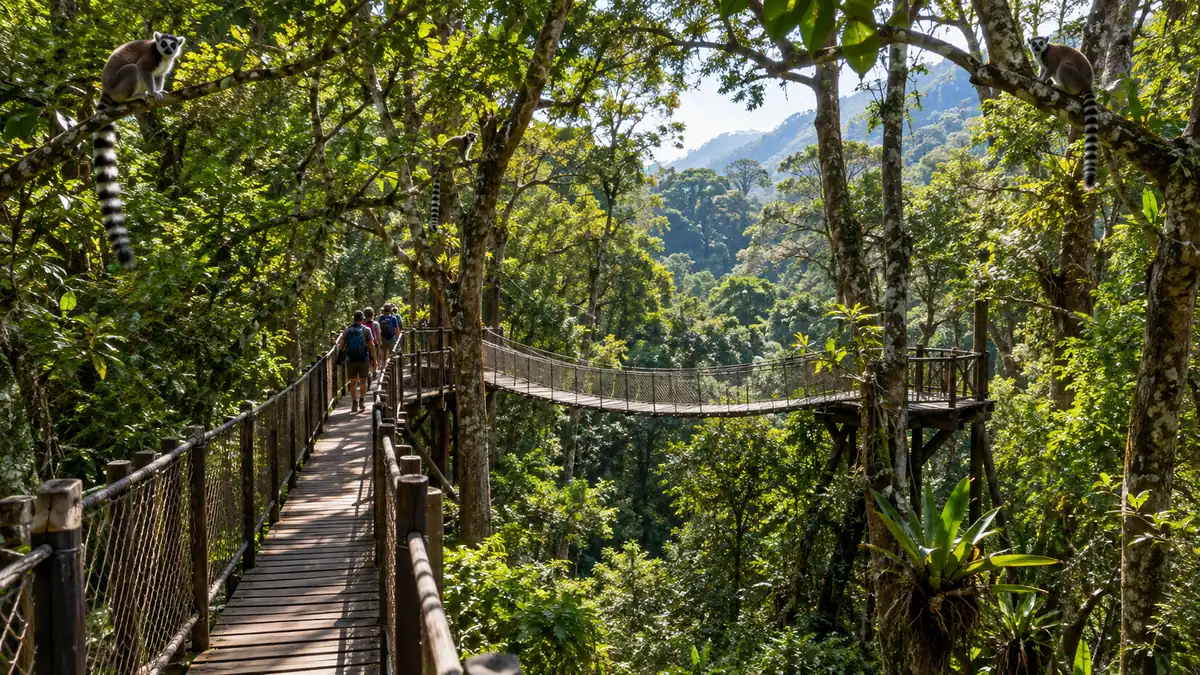
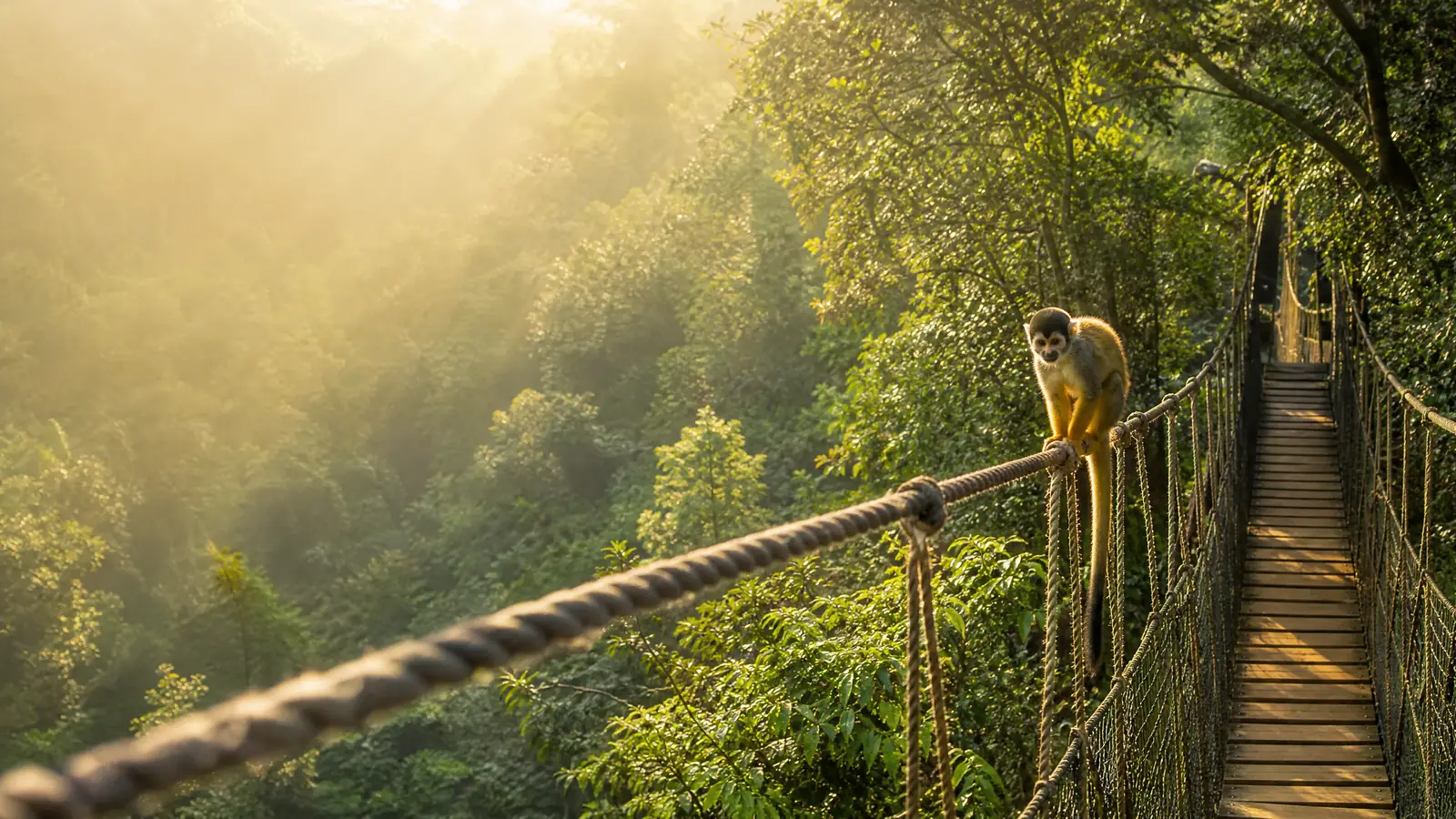
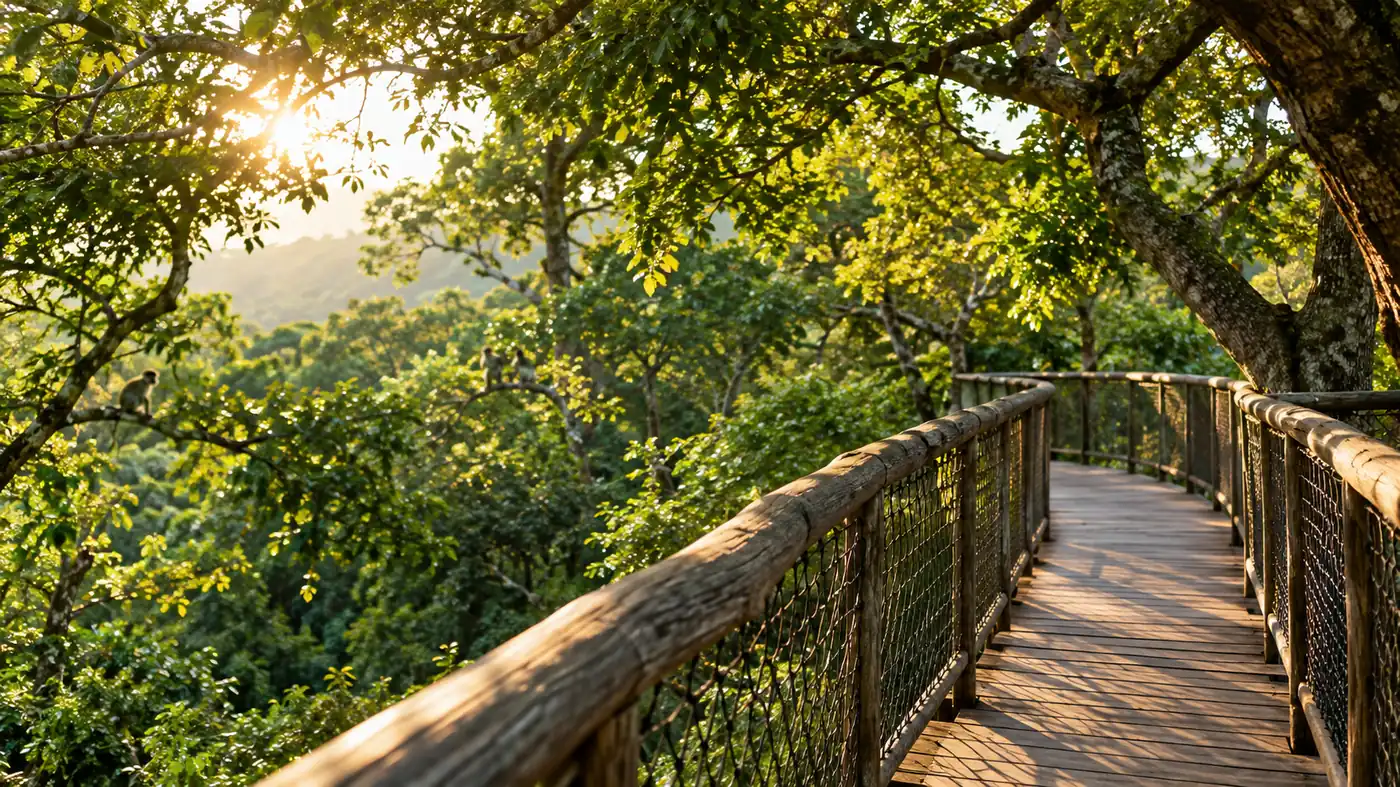
A 128-metre suspension bridge strung through the forest canopy, crossed during the walk. It sways and feels high, but it is wide enough to walk normally.
The bridge is the moment people remember. It moves under your feet, the forest floor drops away, and you are suddenly at eye level with the branches where monkeys sit. The sanctuary describes its forest as Afromontane, with emergent trees up to 40 metres tall.
If heights bother you, keep your eyes on the far end and hold the rail. Children usually love it. Hold small hands, and keep phones on a strap: anything dropped from the bridge stays in the forest.
What are the rules on the Monkeyland walk?
No touching, no feeding and no food on the walk. Stay with your guide and keep your voice down.
- No touching or interacting: the FAQ says visitors may not touch or interact directly with the monkeys. They may still come close on their own.
- No food: food is not allowed on the tour inside the sanctuary. Leave snacks in the car or eat at The Feeding Station café.
- Stay with the guide and avoid loud noises.
- Keep bags closed. Curious hands are quick; zip pockets and hold loose items.
These rules are why Monkeyland belongs on the hands-off side of Garden Route wildlife tourism. The ethics guide explains how that compares with elephant encounters nearby.
Can you take photos at Monkeyland?
Yes, photos and video are encouraged. The forest is shady, so a phone in night or portrait mode often beats a big zoom.
Animals often sit a few metres away, so you rarely need a long lens. The harder part is light: the canopy is dark, and bright sky behind a monkey turns it into a silhouette. Shoot with the sun behind you, tap to expose on the animal, and fire short bursts. On the bridge, brace against the rail. No flash, out of courtesy to the animals and the group.
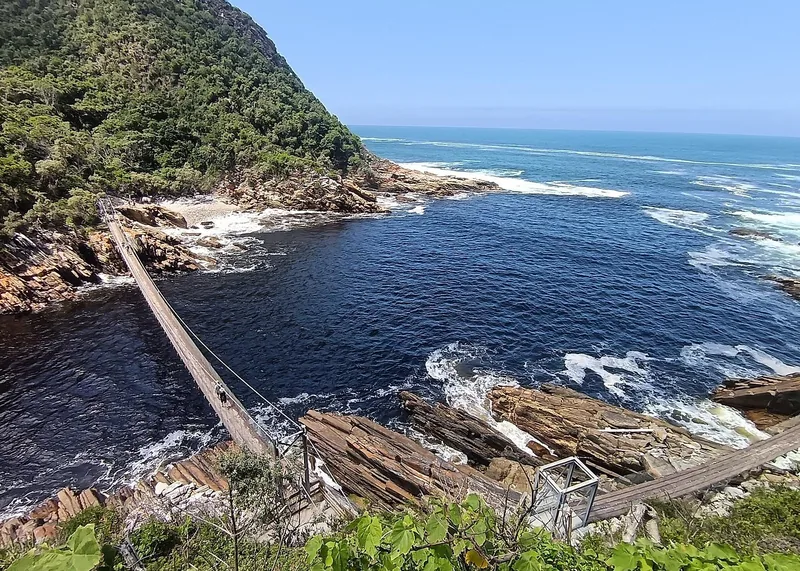
About an hour on the Monkeyland walk and another at Birds of Eden, with Storms River on the way. Pickup in Gqeberha.
Explore the Gqeberha day tour Tour detailsWhat happens if it rains at Monkeyland?
The walk goes ahead. Monkeyland is open rain or shine, and reception sells disposable ponchos for R20.
In the sanctuary's words, if it rains you will get wet, but they will be open. The Garden Route gets rain in every month, and June is the wettest. A light shower under the canopy is pleasant; the paths are the problem, getting muddy and slippery on the slopes. Wear shoes with grip and long trousers. The primates are less active in heavy rain, so if you can choose, wait for a dry spell.
The May 2026 storms closed some trails in the national park but not the sanctuaries. Road news is in the Garden Route after the May 2026 floods.
Is the Monkeyland walk wheelchair accessible, and are there guides in other languages?
Partly. The paths are natural forest trails, but the sanctuary lends wheelchairs and disabled visitors enter free. French guides need 24 to 48 hours' notice.
The two official sources differ in tone. The 2026 quick info sheet says the sanctuary is wheelchair accessible; the FAQ says it is not fully accessible because of the natural terrain and offers its own wheelchairs. Expect uneven ground and some gradients, and call ahead on +27 (0)44 534 8906 to plan the route. The bigger obstacle is often the tour: every Viator listing here is marked not wheelchair accessible.
Guides in other languages are available at times. The rates page names French with 24 to 48 hours' notice; for anything else, ask on arrival or, better, phone ahead. Coming with children? See Monkeyland with kids.
From Knysna, two hours at Monkeyland instead of one, with Birds of Eden and the entry fees covered.
Check dates for the Knysna three-sanctuary tourFrequently asked questions
Do you have to take a guided tour at Monkeyland?
Yes. Every visitor walks with a guide; it is part of the ticket and how the sanctuary keeps people and primates safe.
Is the Monkeyland walk hard?
No. The sanctuary says it suits all ages and fitness levels. Expect uneven forest paths with some slopes and about an hour on your feet.
Will monkeys jump on you at Monkeyland?
They may come close on their own, since they roam free. Visitors may not touch or feed them, and food is banned on the walk, which keeps encounters calm.
What should I wear to Monkeyland?
Flat walking shoes with grip and long trousers. Bring a rain jacket in any month, or buy a R20 poncho at reception.
Ready to book
Choose your tour
Free cancellation on every option, 24 hours to 3 days before depending on the tour. Prices are from-prices in USD and move with the season.
Garden Route Day Tour with Monkeyland & Birds of Eden
- Hotel or cruise terminal pickup in Gqeberha
- Entry to Monkeyland, Birds of Eden and Tsitsikamma
- Guide and driver, coffee, water and tolls
Trunks, Feathers and Fur: Three Sanctuaries from Knysna
- Air-conditioned transport from Knysna
- All entry fees and taxes
- About 2 hours at each sanctuary
Gqeberha to The Crags Day Trip (FD07)
A small-group day to Monkeyland from Gqeberha. Entry fees are extra.