Booking choice: The Gqeberha day tour, from $219 per person. Check dates Tour details
Responsible travellers on the Garden Route face a real choice. Within a few kilometres of The Crags you can walk under free-roaming monkeys, watch big cats from platforms, or walk trunk-in-hand with an elephant and feed it. These are very different things, and the word "sanctuary" is on all of them.
We looked at what Monkeyland does, what outside yardsticks say, and how it compares with the elephant stop on one of the tours. We don't run tours and we don't sell its tickets; the sanctuary sells its own at the gate.
The quick answer
By the standard yardsticks, yes: the primates are rescued, roam free in 12 hectares of forest, and visitors may not touch or feed them. The fair caveats: it is still captivity, the alliance that vouches for it runs it, and it allows some selective breeding. Elephant encounters with touching and feeding are a different category.
Is Monkeyland ethical?
Mostly, yes. It rescues ex-captive primates, lets them roam a forest, and bans touching and feeding. It is still a captive setting, and visitors should know that.
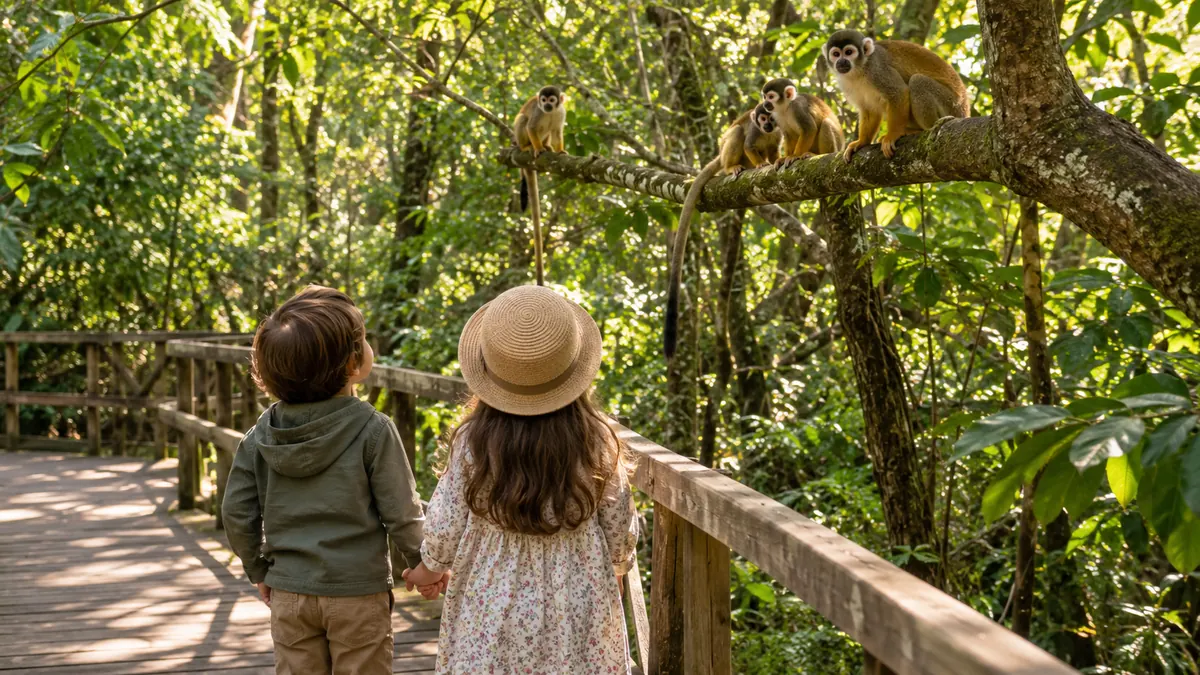
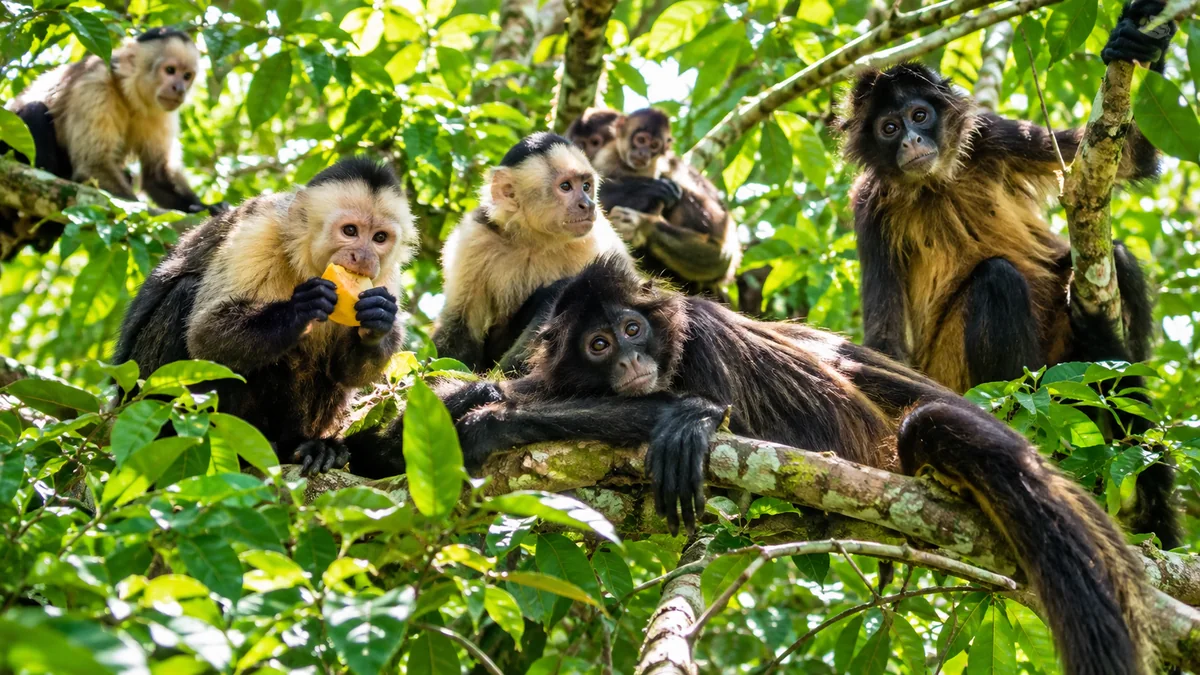
Monkeyland opened in 1998 and calls itself the world's first free-roaming multi-species primate sanctuary. More than 550 primates from about ten species live in 12 hectares of indigenous forest. You see them on guided walks, and the animals choose how close they come. Nothing performs, nothing is held for a photo, and there is no cub-petting or baby-feeding sideline.
Measured against South Africa's own tourism guidelines (see below), it passes the key tests. Its awards include the World Responsible Tourism Awards and Skål International sustainable tourism awards, most recently for a campaign to buy the forest in trust for the primates. None of that makes a fenced forest the wild. It makes it a good version of captivity.
Where do the Monkeyland primates come from?
From zoos, circuses and the illegal pet trade, according to the sanctuary. Most species are not native to South Africa and can't be released here.
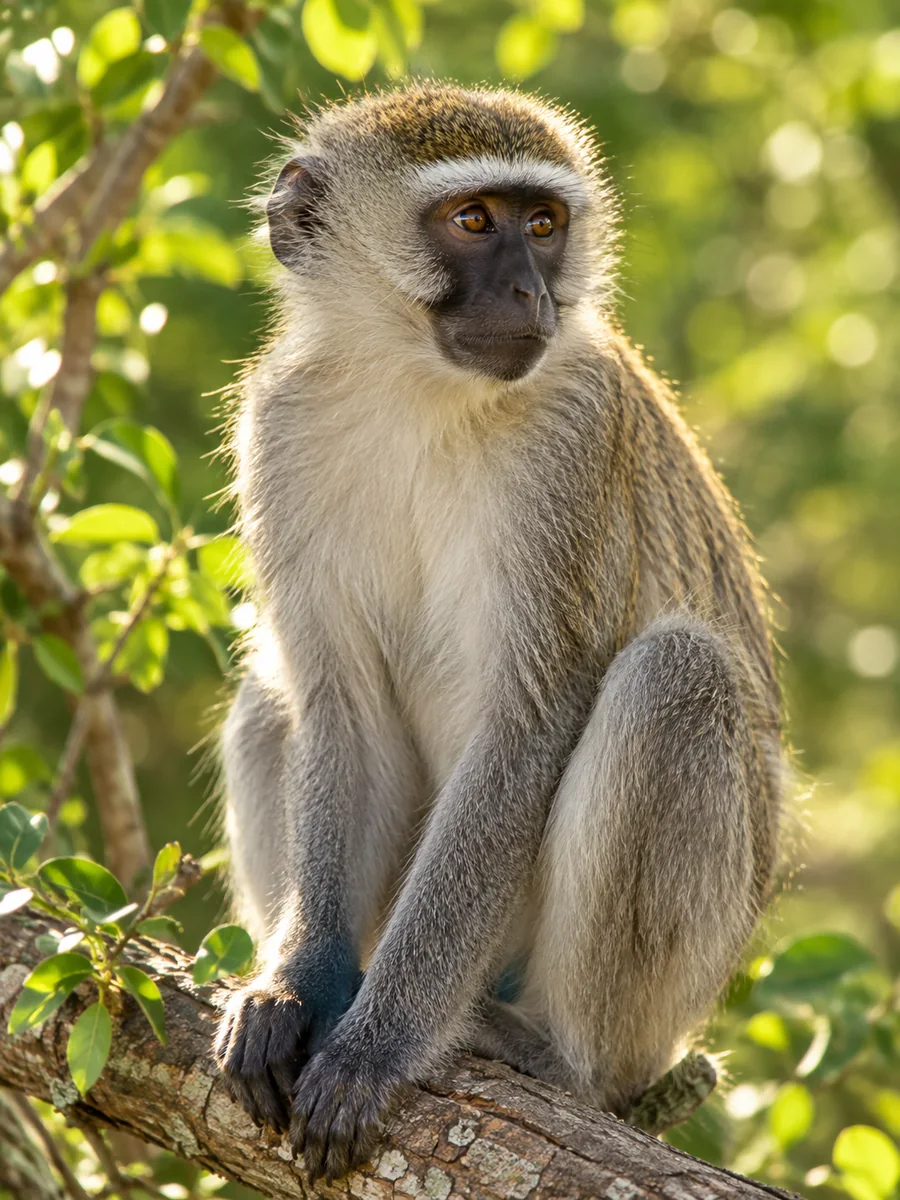
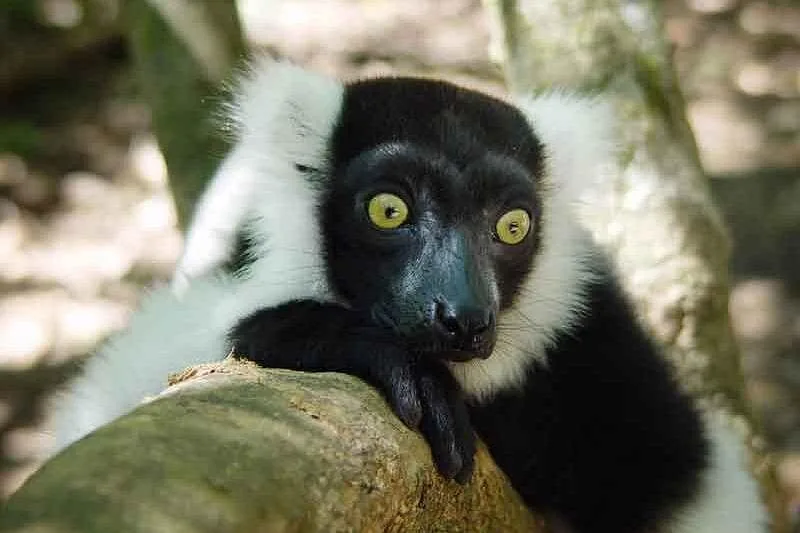
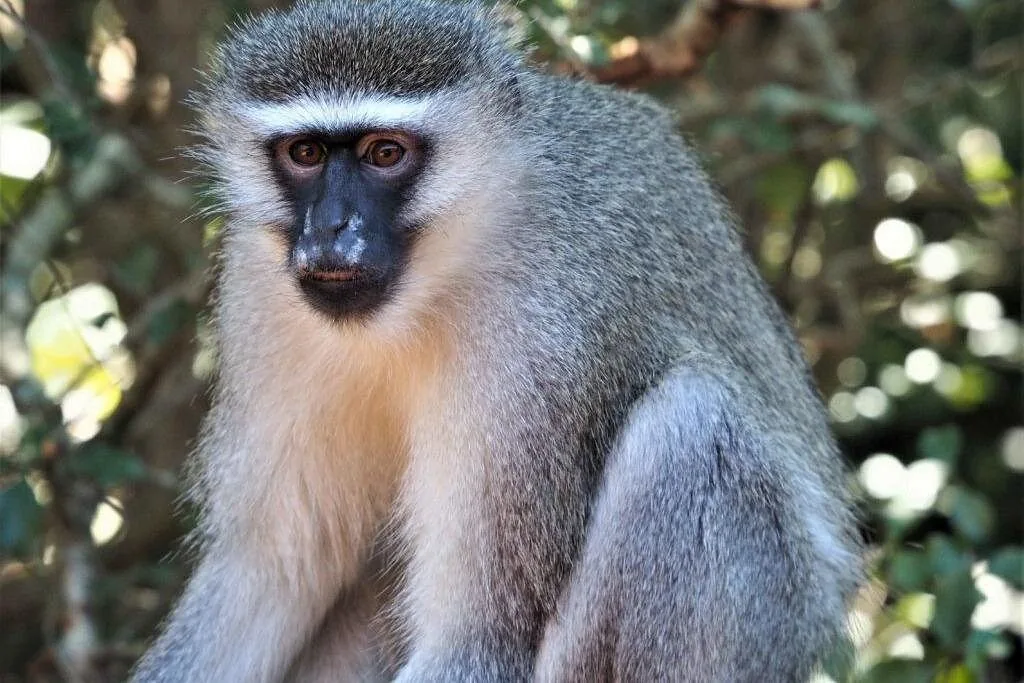
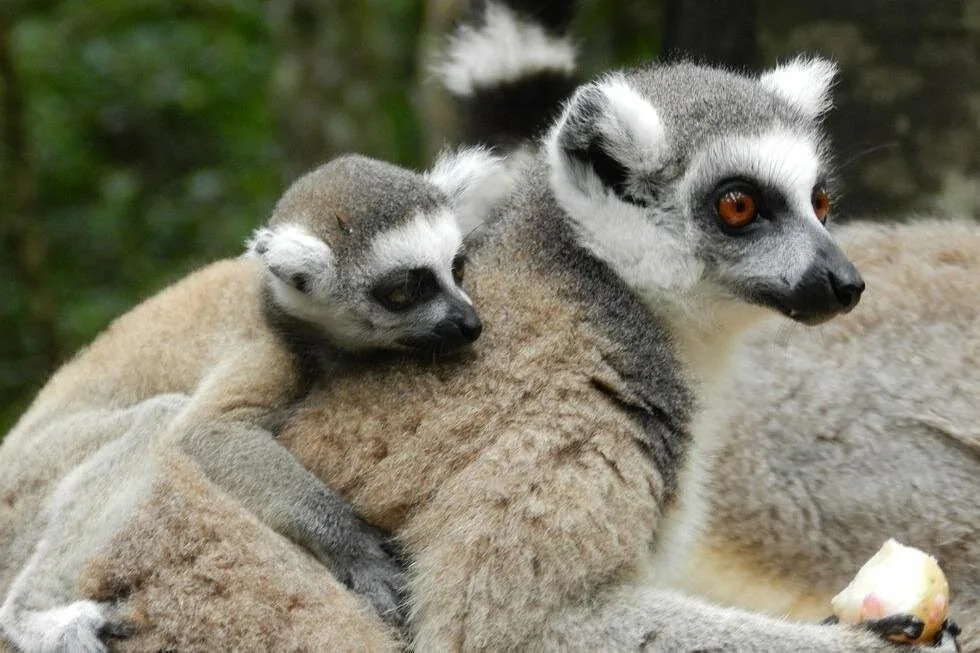
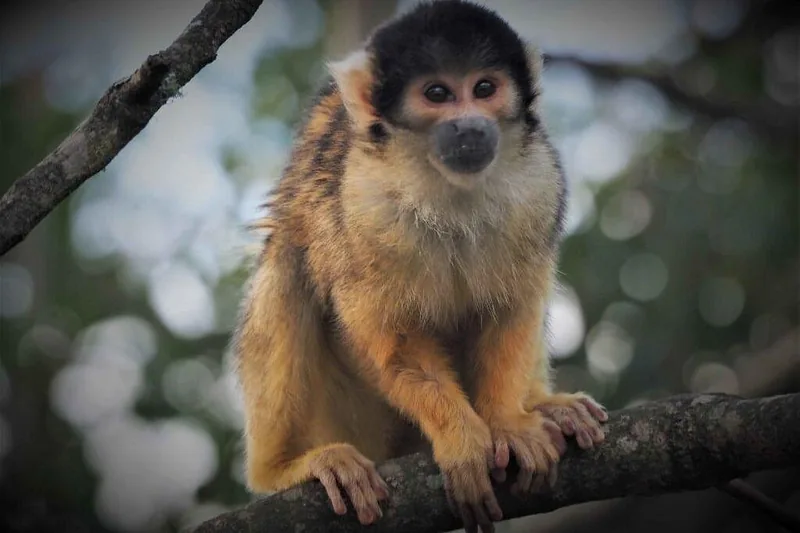
The sanctuary's own description says it rescues ex-captive primates from zoos, circuses and the illegal pet trade. Capuchins and squirrel monkeys are classic pet-trade animals; many arrive unable to live in a group at first. Of the ten species, only the vervet is South African. Releasing a lemur, gibbon or howler into a South African forest would be illegal and fatal, so a sanctuary life is the realistic alternative to a cage.
What does free-roaming mean at Monkeyland?
The primates move freely through 12 hectares of indigenous forest, without cages. The forest is fenced at its edge, and visitors stay on paths with a guide.
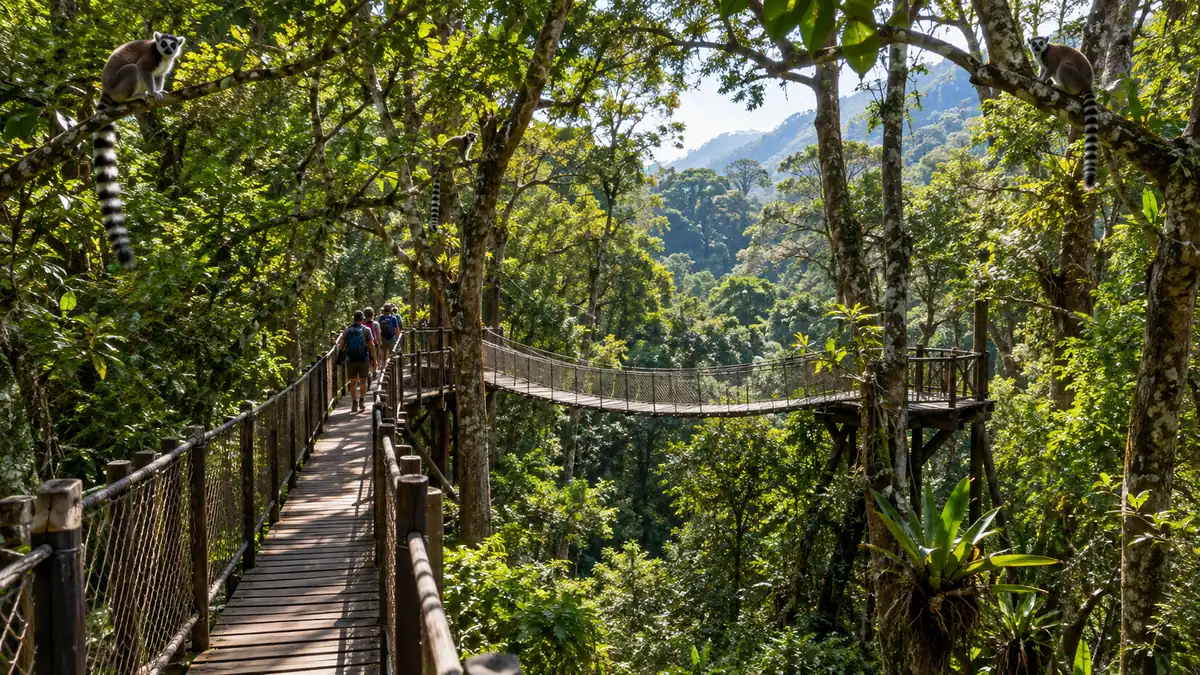
It is the opposite of a zoo layout. People are the ones confined, to paths, a bridge and a guide, while the animals use the whole canopy. The sanctuary describes the habitat as Afromontane forest with trees up to 40 metres tall. Animals that want distance from a group can simply leave, and many do.
That freedom is why sightings vary. A walk without the gibbons is a sign the system works, not a failure.
See both sanctuaries the hands-off way: Monkeyland and Birds of Eden, tickets included, from Gqeberha.
Check dates for the Gqeberha day tourWhy can't you touch or feed the monkeys at Monkeyland?
Because direct contact stresses wild animals, spreads disease both ways and teaches them to approach people. The FAQ bans touching, interacting and food on the walk.
The rules are strict and enforced by the guides: no touching, no direct interaction, no food inside the sanctuary, quiet voices. The sanctuary backs a #HandsOffOurWildlife campaign against petting and selfie experiences. If a tour or a blog promises you a monkey on your shoulder at Monkeyland, it is wrong.
Visitors sometimes find this disappointing for about five minutes, until a lemur sits on the rail beside them anyway. More on the walk itself in the guided walk guide.
Who checks that Monkeyland is ethical?
Partly itself. Monkeyland belongs to SAASA, the South African Animal Sanctuary Alliance, which is the group that runs it. The independent yardstick is SATSA's guidelines.
Be clear about what the SAASA label means. SAASA is the umbrella of Monkeyland, Birds of Eden, Jukani and MonkeylandKZN, so membership is not an outside certificate. For an independent check, use the animal interaction guidelines of SATSA, the Southern African Tourism Services Association. In 2019 SATSA said that walking with predators or elephants, riding wild animals, touching infant wildlife and performing animals were no longer acceptable, and that facilities offering them would not be recommended to international operators. The guidelines are voluntary.
Monkeyland offers none of those activities. Its tourism awards came from outside judges, which also counts for something.
Does Monkeyland breed its primates?
Some. The sanctuary says it sterilises most male primates but allows selective breeding, so troops can form natural family bonds. Babies are born every year.
This is the point critics of captive breeding would raise. Strict sanctuary standards usually discourage breeding, because every baby is another animal that will live its whole life in captivity. Monkeyland's baby season article sets out the opposite reasoning: a troop with infants behaves more like a wild one, and the social life matters to the animals.
We think both sides have a point. Babies are not sold or used for photos, which separates this from breeding for trade. It is still a choice you may disagree with, and worth knowing before you go.
How is Monkeyland different from elephant encounters on the Garden Route?
At Monkeyland you only watch. At The Elephant Sanctuary in The Crags, which the Knysna three-sanctuary tour visits, you touch, feed and walk trunk-in-hand with elephants.
We checked The Elephant Sanctuary's own tour page. Its one-hour walk (R695 for adults in 2026) includes touching the elephants, feeding them (elephant food included) and walking trunk-in-hand; a brush-down session adds brushing. It says its handlers use positive reinforcement and that its elephants are relaxed and enjoy interacting with guests. Elephant rides are not on its list.
| Place | Touch | Feed | Walk with the animals | How you see them |
|---|---|---|---|---|
| Monkeyland | No | No | No, guided walk among free-roaming primates | Forest paths, rope bridge |
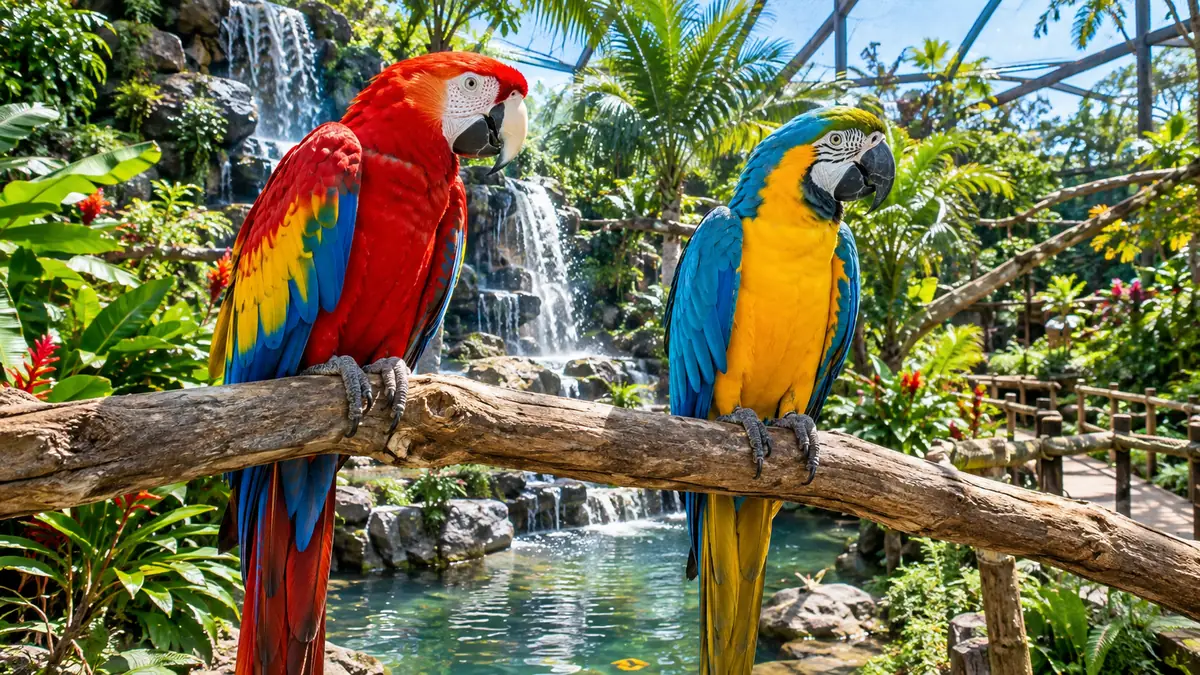
| Birds of Eden | No | No | No | Boardwalks in a free-flight dome |
| Jukani | No | No | No | Ranger walk, raised platforms |
| The Elephant Sanctuary | Yes | Yes | Yes, trunk-in-hand | On foot beside handlers |
SATSA's 2019 guidelines list walking with elephants as no longer acceptable. That is a judgement from the South African tourism industry itself, not from us. Some travellers are fine with it; many responsible travel buyers now avoid it.
Monkeyland, Birds of Eden and The Elephant Sanctuary from Knysna, all fees paid. The elephant stop is a hands-on encounter, so read this guide first.
Explore the Knysna three-sanctuary tour Tour detailsHow do you choose an ethical Monkeyland tour?
Pick a tour whose wildlife stops are hands-off. The Gqeberha day tour visits only Monkeyland and Birds of Eden; on the 2-day Tsitsikamma trip, choose the sanctuary option on day two.
- Gqeberha day tour: Monkeyland, Birds of Eden and Tsitsikamma National Park. No animal contact anywhere.
- 2-day Tsitsikamma trip: day two offers option 1, Monkeyland and Birds of Eden, or option 2, a trunk-in-hand elephant tour. Pick option 1.
- Knysna three-sanctuary tour: includes The Elephant Sanctuary, with touching and feeding. Know that before you book.
- 5-day Addo safari: sees elephants the wild way, on game drives in Addo Elephant National Park.
If you drive, the simplest ethical day is the R704 combo at Monkeyland and Birds of Eden. Directions are in how to get to Monkeyland.
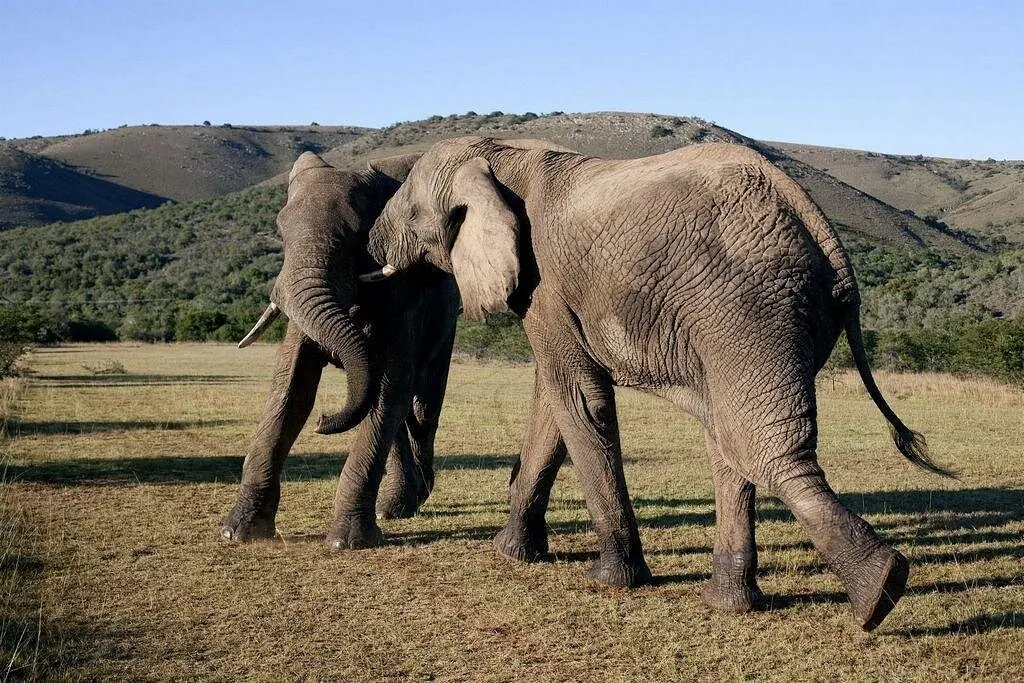
Wild elephants from a game vehicle, plus a Monkeyland stop: five days from Cape Town to Addo.
Check dates for the 5-day Addo safariFrequently asked questions
Is Monkeyland a zoo?
No. There are no cages for the primates: more than 550 of them roam 12 hectares of forest, and visitors walk through with a guide. It is still a fenced, managed site.
Do they let you hold monkeys at Monkeyland?
No. Touching, holding and feeding are not allowed, and food is banned on the walk. Any offer to hold a monkey is not Monkeyland.
Is Birds of Eden ethical too?
It runs on the same hands-off rules: a free-flight aviary walked on boardwalks, with no handling or feeding by visitors. It belongs to the same alliance as Monkeyland.
Is The Elephant Sanctuary in Plettenberg Bay ethical?
It offers touching, feeding and trunk-in-hand walks, says it trains with positive reinforcement and offers no rides. SATSA's 2019 guidelines class walking with elephants as no longer acceptable.
Ready to book
Choose your tour
Free cancellation on every option, 24 hours to 3 days before depending on the tour. Prices are from-prices in USD and move with the season.
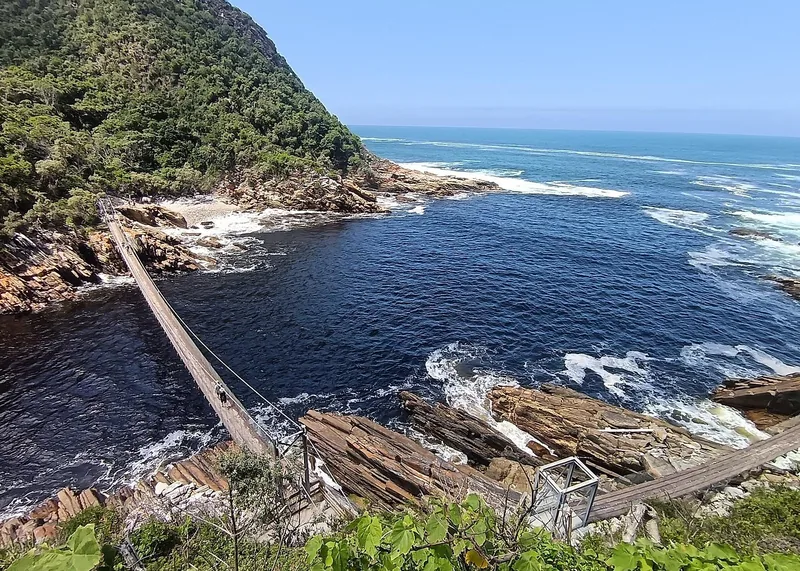
Garden Route Day Tour with Monkeyland & Birds of Eden
- Hotel or cruise terminal pickup in Gqeberha
- Entry to Monkeyland, Birds of Eden and Tsitsikamma
- Guide and driver, coffee, water and tolls
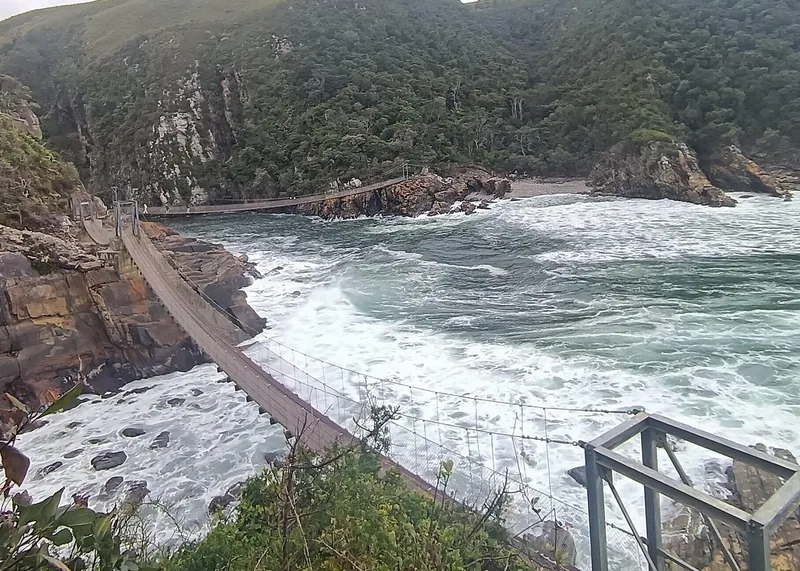
2-Day Tsitsikamma Adventure from Gqeberha
Tsitsikamma on day one, both sanctuaries on day two if you pick that option.
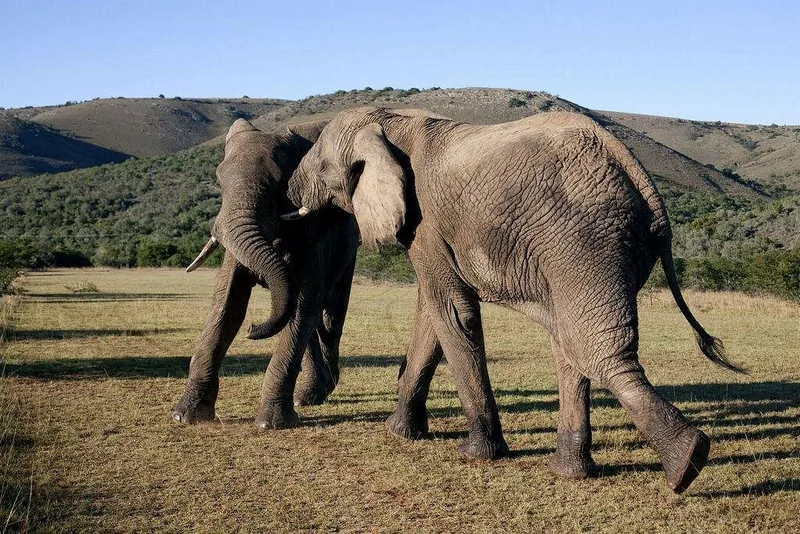
5-Day Cape Town to Addo Safari
Cape Town to Addo elephants in five days. Monkeyland is a stop, entry extra.